
Comfortable Shoes for Standing All Day
What to look for in dress shoes when you stand all day — cushioning, arch support, materials, and the brands built for all-day comfort.
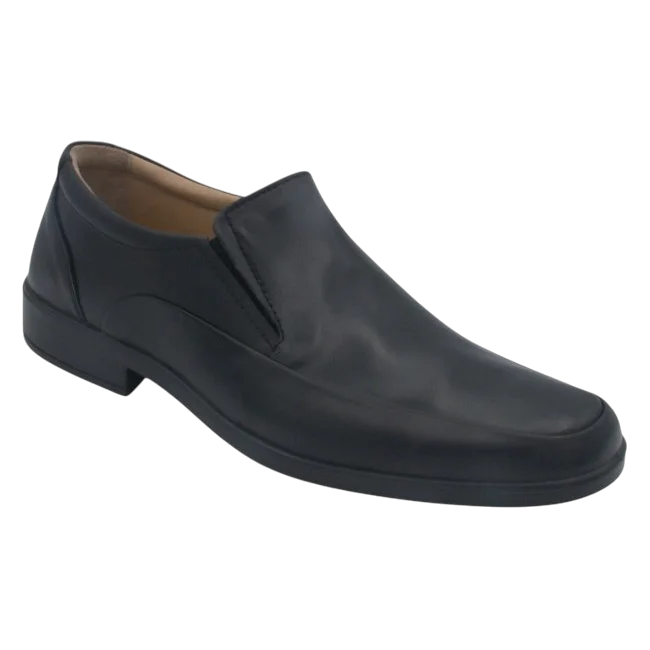
If you spend most of your workday on your feet, you already know the toll it takes. By mid-afternoon, your arches ache, the balls of your feet burn, and you start shifting your weight from side to side just to find relief. I see it constantly in our customers — retail managers, teachers, nurses, hospitality professionals, office workers who pace conference rooms — and the question is always the same: Can a dress shoe actually be comfortable enough for standing all day?
The answer is yes, but only if you know what to look for. After fifteen years fitting shoes and listening to customers describe their pain points, I can tell you that the difference between a shoe that hurts by noon and one that carries you through an eight-hour shift comes down to a handful of design choices. This guide covers all of them.
Why Standing All Day Is So Hard on Your Feet
Your feet are engineered for movement — walking, running, shifting. When you stand still, you remove the dynamic muscle engagement that normally distributes pressure across the foot. Instead, the same spots bear your full body weight, hour after hour.
Three areas suffer most:
- The arch. Without adequate support, the plantar fascia (the thick band of tissue running along the bottom of your foot) stretches under sustained load. This is one of the most common sources of heel and arch pain in people who stand for extended periods.
- The ball of the foot. The metatarsal heads absorb concentrated pressure, especially in shoes with thin or rigid soles. This leads to metatarsalgia — a burning or aching sensation under the forefoot.
- The heel. Standing on hard surfaces without cushioning sends repetitive micro-impacts through the heel pad, which can contribute to heel spurs and general discomfort over time.
Understanding these pressure points makes it much easier to evaluate whether a shoe will actually work for all-day wear — or just look good for the first hour.
What to Look for in Comfortable Standing Shoes
Not every shoe labeled "comfortable" will actually hold up through a full day on your feet. Here are the specific features I recommend customers prioritize.
Cushioned Insole
This is non-negotiable. A well-cushioned insole absorbs the impact that hard floors send up through your feet with every step and every stationary minute. Look for memory foam, latex, or multi-density foam insoles that provide consistent padding without bottoming out. The insole should feel supportive when you press your thumb into it — not paper-thin and not so soft that your foot sinks through to the midsole.
Arch Support
Proper arch support keeps the plantar fascia from over-stretching and distributes your weight more evenly across the entire foot. Some shoes build arch support directly into the insole or midsole, while others are designed to accommodate custom orthotics. Either approach works, but the shoe must have some contouring — a completely flat footbed is a recipe for pain. If you have particularly flat feet, arch support becomes even more critical.
Wide Toe Box
Your toes need room to spread naturally under load. When you stand for hours, your feet swell slightly — this is normal. A narrow or pointed toe box compresses the forefoot, restricts blood flow, and accelerates fatigue. A wider toe box allows your toes to splay, which improves balance and reduces pressure on the metatarsal heads. This does not mean the shoe has to look boxy; many well-designed dress shoes offer a roomy fit with a tapered aesthetic.
Breathable Lining
Moisture trapped inside a shoe creates friction, which leads to blisters and hot spots — exactly what you do not need during an eight-hour shift. Natural materials like sheepskin lining excel here because they wick moisture away from the skin and regulate temperature. Sheepskin is naturally breathable, insulating in cold conditions and cool in warm ones, which keeps your feet dry and comfortable regardless of season.
Flexible but Supportive Sole
The sole should flex at the ball of the foot to allow natural movement, but it should not be so flimsy that you feel every crack and pebble on the ground. A sole with some rigidity through the midfoot provides structural support while still allowing the forefoot to bend during walking. The choice between leather and rubber soles matters here — rubber tends to offer more cushioning and grip on hard indoor surfaces, while leather soles can be paired with rubber heel and forefoot pads for the best of both worlds.
Proper Weight
A shoe that is too heavy will fatigue your legs and feet faster. Every extra ounce adds up over thousands of steps and hours of standing. Lightweight construction does not have to mean flimsy — modern materials and design techniques allow for shoes that feel substantial and well-built without weighing you down.
Best Shoe Styles for All-Day Standing
Not every dress shoe style is equally suited for extended standing. Here are the types I recommend most often for professionals who need to look sharp while staying comfortable.
Loafers
Loafers are a natural choice for all-day comfort. The slip-on design eliminates lacing pressure across the top of the foot, and the typically rounded toe gives your forefoot more room. Penny loafers and bit loafers work well in business casual environments, and a quality pair with a cushioned insole can easily handle a full day of standing and walking.
Derbies
The derby's open lacing system allows you to adjust the fit across the instep, which is valuable when your feet swell during the day. Derbies tend to have a slightly roomier construction than oxfords, and their versatility means they work in everything from office settings to hospitality. For standing all day, a derby with a padded collar and cushioned footbed is an excellent choice.
Comfort-Focused Dress Shoes
Some brands design dress shoes specifically around all-day wearability, building comfort technology into every layer rather than treating it as an afterthought. These shoes incorporate cushioned insoles, supportive midsoles, flexible outsoles, and breathable linings from the ground up. They look like traditional dress shoes but are engineered like athletic footwear on the inside. This is where brands like Esse Comfort and Wizfort excel.
Brands Built for All-Day Comfort
Esse Comfort: Designed for Extended Wear
Esse Comfort is our house brand built specifically for people who need shoes that perform from morning to evening. Every pair features a sheepskin lining that breathes and wicks moisture, a cushioned insole designed for sustained standing, and a wide-fit construction that accommodates natural foot splay. The comfort technology is integrated into the shoe's architecture — it is not an afterthought or a marketing add-on.
What I hear most from customers who switch to Esse Comfort is surprise at how different the end of their day feels. The combination of sheepskin lining, genuine cushioning, and a wider fit addresses the three main causes of standing fatigue: heat and moisture buildup, insufficient padding, and toe compression. If you spend most of your day on your feet and need a shoe that looks professional, Esse Comfort is where I tell people to start.
Wizfort: Dressy Comfort for Formal Settings
For environments that demand a more polished look — client-facing roles, formal offices, events — Wizfort offers premium leather dress shoes with comfort features built into the design. Wizfort shoes use quality materials and thoughtful construction to deliver a refined appearance without sacrificing wearability. If your job requires you to stand through meetings, presentations, or long event days in formal footwear, Wizfort bridges the gap between style and comfort.
The Role of Insoles and Orthotics
Even a well-designed shoe can benefit from a quality aftermarket insole or a custom orthotic. Over-the-counter insoles with arch support and heel cushioning can meaningfully improve comfort, especially if the stock insole is thin. For more specific foot conditions — flat feet, high arches, plantar fasciitis — a podiatrist-prescribed orthotic shaped to your foot's geometry can make a significant difference.
When shopping, check whether the shoe's insole is removable. A removable insole lets you swap in your own orthotic without changing the fit of the shoe. Most Esse Comfort shoes are designed with removable insoles for exactly this reason.
Materials That Make a Difference
The materials a shoe is made from directly affect how it feels after four, six, or eight hours of standing.
- Sheepskin lining — As mentioned, sheepskin is one of the best lining materials for extended wear. It is soft against the skin, naturally moisture-wicking, and temperature-regulating. Shoes lined with sheepskin stay drier and more comfortable than those with synthetic linings, especially during long shifts.
- Full-grain leather upper — Leather molds to your foot shape over time, creating a personalized fit. It also breathes better than synthetic alternatives, which reduces moisture buildup. The break-in period is worth it.
- Synthetic linings — Not all synthetics are equal. Some modern microfiber linings perform reasonably well for breathability, but they generally do not match natural materials for moisture management over a full day.
- Rubber outsoles — For indoor standing on hard floors (tile, concrete, hardwood), rubber outsoles provide better shock absorption and grip than leather. Combination soles with a leather midsole and rubber contact points offer a good balance.
Break-In Period: What to Expect
Almost every quality leather shoe requires a break-in period. This is not a design flaw — it is the leather adapting to the unique shape of your foot. Expect anywhere from a few days to two weeks of gradual wear before a new pair feels fully broken in.
During the break-in period:
- Wear the shoes for a few hours at a time initially, then gradually increase wear duration.
- Use thick socks to help stretch the leather gently.
- Apply a leather conditioner to soften the upper and speed the process.
- Do not force-wear new shoes through a full standing shift on day one — your feet will protest and the shoe will not break in properly.
For more detail on getting through this process comfortably, see our guide to breaking in new shoes.
The Rotation Strategy
One of the most effective things you can do for foot comfort — and shoe longevity — is to rotate between at least two pairs of shoes. Wearing the same pair every day does not give the materials time to dry completely between wears. Moisture that stays trapped in the lining and insole breaks down cushioning faster and creates an environment for odor and bacteria.
Alternating between two pairs gives each shoe 24 to 48 hours to air out and recover its shape. The cushioning lasts longer, the lining stays fresher, and your feet benefit from slight variations in fit and support. If you wear dress shoes five days a week, owning two to three pairs and rotating them will extend the life of each pair considerably.
When to Replace Worn Shoes
No shoe lasts forever, and continuing to wear shoes past their effective lifespan is a common cause of foot pain. Here are the signs that it is time for a replacement:
- The insole is compressed and flat. If you can feel the hard midsole through the insole, the cushioning is spent.
- The heel is worn unevenly. Uneven heel wear changes your gait and can contribute to knee and back pain.
- The upper has lost its structure. If the shoe no longer holds its shape around your foot, it is no longer providing support.
- You notice new foot pain. If shoes that used to be comfortable are now causing discomfort, the materials have likely broken down beyond recovery.
For shoes worn daily in standing-heavy jobs, expect to replace them every 8 to 12 months. Rotating pairs will extend this timeline.
Putting It All Together
Finding comfortable shoes for standing all day is not about chasing a single feature — it is about the combination. Cushioned insole, proper arch support, a wide enough toe box, breathable materials, a sole that flexes but supports, and a weight that will not drag you down. Layer in good habits like shoe rotation and timely replacement, and your feet will thank you at the end of every shift.
If you are not sure where to start, I would recommend browsing the Esse Comfort collection for everyday professional wear, or the Wizfort range for dressier occasions. Both are built with the kind of thoughtful design that makes a real difference when you are on your feet all day. And if you want to explore everything we carry, our full catalog lets you filter by brand, size, and style to find exactly what you need.
Your feet carry you through every workday. They deserve shoes that are up to the task.
For more on foot health and standing, the American Podiatric Medical Association offers helpful resources on caring for your feet when your job keeps you standing.