
How to Buy Quality Leather Shoes That Last
A footwear specialist's guide to spotting quality in leather shoes — what to check before you buy so your shoes last for years.
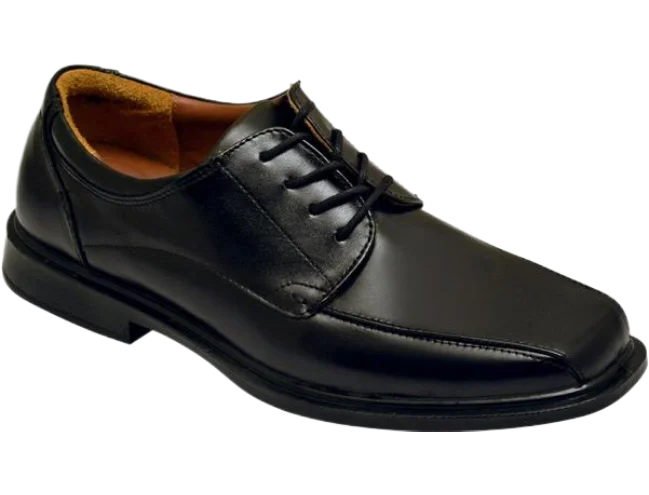
After 15 years evaluating leather footwear, I have handled thousands of pairs ranging from factory seconds to bespoke creations. The single biggest mistake I see buyers make is treating all leather shoes as equal. They are not. The difference between a shoe that falls apart in six months and one that lasts a decade comes down to choices made long before the shoe reaches a shelf — choices about leather selection, construction method, and finishing quality.
This guide is everything I wish someone had told me before I started buying dress shoes. Whether you are shopping for your first pair of quality leather shoes or upgrading from what you have been wearing, these are the indicators that separate shoes worth owning from shoes worth avoiding.
Understanding Leather Quality: The Foundation of Every Good Shoe
Leather quality is the single most important factor in how a shoe looks, feels, and ages. Not all leather is created equal, and the terminology used by manufacturers can be deliberately misleading.
Full-grain leather is the gold standard. It uses the outermost layer of the hide with the natural grain pattern intact. This layer is the densest, most durable part of the hide. It develops a patina over time — that rich, lived-in character that makes well-kept shoes look better with age. Full-grain breathes well, resists moisture, and holds shoe cream beautifully.
Top-grain leather has been sanded or buffed to remove imperfections, then coated with a finish. It is a step below full-grain. It looks uniform and clean, which appeals to some buyers, but it lacks the depth and aging character of full-grain. It is still a perfectly acceptable material for dress shoes.
Genuine leather is where things get tricky. Despite the name suggesting quality, "genuine leather" is actually the lowest grade that can legally be called leather. It is made from the inner layers of the hide after the top grain has been split away. It dries out faster, creases poorly, and does not take polish well.
I covered this hierarchy in detail in our guide on types of leather in shoes: full-grain vs top-grain vs genuine leather. If you have not read it, I recommend starting there.
How to Check Leather Quality Yourself
When you are evaluating a shoe in person, use these checks:
- Smell it. Real, quality leather has a rich, natural scent. Synthetic materials or heavily corrected leather smell like chemicals or plastic.
- Press the surface. Full-grain leather wrinkles naturally when pressed, like skin. Corrected or bonded leather tends to crease in uniform, shallow lines.
- Look at the edges. Where the leather is cut — around the heel counter, tongue edges, or inside lining — you should see fibrous, natural-looking material. If it looks like cardboard or fabric, it is not quality leather.
- Check the grain pattern. Natural leather has slight irregularities. If the surface pattern is perfectly uniform and repeats, it has been embossed — a sign of corrected grain.
Construction Methods: Why How a Shoe Is Built Matters More Than How It Looks
The construction method determines three things: durability, repairability, and comfort over time. There are two broad categories you need to understand.
Cemented (Glued) Construction
The sole is attached to the upper with adhesive. This is the most common method in mass-market shoes because it is fast and cheap. Cemented shoes can look identical to stitched shoes from the outside, which is why so many buyers get fooled.
The problems with cemented construction:
- The adhesive degrades over time, especially with heat and moisture
- Sole separation is common after 1-2 years of regular wear
- Resoling is difficult or impossible — when the sole goes, the shoe goes
- The shoe does not conform to your foot over time the way stitched shoes do
Stitched Construction (Blake, Goodyear Welt, Blake Rapid)
Blake stitch sews the sole directly to the insole through the bottom of the shoe. It creates a sleeker profile and is common in Italian-style dress shoes. The tradeoff is less water resistance since the stitching creates a path for moisture.
Goodyear welt uses a strip of leather (the welt) that is stitched to both the upper and the sole. The sole is then stitched to the welt in a separate operation. This creates a double barrier against water and makes resoling straightforward — a cobbler replaces the sole without touching the upper. A well-maintained Goodyear welted shoe can be resoled multiple times, extending its life to 10-20 years.
Blake Rapid is a hybrid — Blake stitching attaches the upper to a midsole, then a second row of stitching attaches the outsole. It combines Blake's sleekness with better water resistance and easier resoling.
At CSL Shoes, our Wizfort line uses stitched construction methods specifically because we build shoes meant to be worn for years, not months. The initial cost is higher, but the per-wear cost drops dramatically over time.
How to Identify the Construction Method
Flip the shoe over. If you see a line of stitching running around the perimeter of the sole, it is likely Blake or Goodyear welted. If the sole is smooth and stitch-free on the bottom, it is either cemented or has a hidden channel (where stitches are tucked into a groove in the sole). In that case, look at the inside of the shoe where the upper meets the insole — visible stitching there confirms Blake construction.
If there is no stitching anywhere, it is cemented. Walk away unless the price reflects that reality.
The Sole: Your Contact Point With the Ground
Sole material affects comfort, durability, traction, and formality. The choice between leather and rubber is not a matter of one being better — it depends on how and where you wear the shoes.
Leather soles are traditional for dress shoes. They are breathable, elegant, and develop a smooth patina on the bottom that many enthusiasts appreciate. They also break in beautifully, molding to your gait. The downsides: they are slippery on wet surfaces, wear faster on concrete, and need more maintenance.
Rubber soles offer superior grip, water resistance, and durability on hard surfaces. Modern rubber soles like those on Esse Comfort shoes are engineered for shock absorption and all-day wear without sacrificing appearance.
For a deeper comparison, our guide on leather sole vs rubber sole breaks down every factor.
Stitching, Lining, and Finishing: The Details That Reveal True Quality
Stitching
Examine the stitching closely. Quality indicators include:
- Even spacing. Stitches should be uniform in length and distance from the edge.
- Consistent tension. The thread should lie flat without puckering or pulling the leather.
- Tight ends. No loose threads, fraying, or visible knots.
- Thread quality. Quality shoes use waxed linen or polyester thread that resists moisture and abrasion. Cheap cotton thread absorbs water and rots.
Lining
The interior lining tells you a lot about the manufacturer's priorities. Full leather lining is the standard for quality dress shoes. Leather absorbs moisture, breathes well, and prevents the foot from sliding. Shoes lined with fabric or synthetic materials trap heat and moisture, leading to odor, faster deterioration, and less comfort.
Check the heel area specifically. The heel counter lining takes the most abuse, and cheap shoes often switch to synthetic there even if the vamp is leather-lined.
Finishing
Run your hand along the interior of the shoe. There should be no rough edges, exposed adhesive, or poorly folded leather. Look at the transition between the insole and the upper — in quality shoes, this is smooth and seamless. Check the heel stack (the layered material that forms the heel). In good shoes, it is built from stacked leather layers, not injection-molded plastic disguised to look like leather.
Evaluating Shoes Online: What to Look For When You Cannot Touch Them
Buying leather shoes online is common now, but it requires a different evaluation strategy since you cannot inspect the shoe physically.
- Read the materials specification carefully. Trustworthy brands specify exactly what type of leather is used (full-grain calfskin, nappa leather, etc.). Vague terms like "premium leather" or "genuine leather upper" are red flags.
- Look for construction details. The product listing should state the construction method. If it does not mention construction at all, it is almost certainly cemented.
- Check the sole material listing. "Man-made sole" is a euphemism for plastic. Reputable brands specify leather, rubber compound, or the exact sole type.
- Examine photos of the sole and interior. Quality brands show the bottom of the shoe and the inside. If the listing only shows exterior glamour shots, ask yourself what they are hiding.
- Read the return policy. A brand confident in their quality offers straightforward returns. Restrictive policies often signal that the company expects dissatisfaction.
Our shoe buying guide walks through the complete online shopping process with checklists for each step.
Red Flags: When to Walk Away
Over the years, I have assembled a list of warning signs that reliably predict poor quality:
- "Genuine leather" as the primary selling point. As discussed above, this is the lowest acceptable grade.
- Unusually light weight. Quality leather shoes have substance. If a shoe feels like a sneaker, the materials are thin.
- Corrugated cardboard insoles. Pull the insole out if possible. Quality shoes have leather or high-density foam insoles over a leather or cork-bed footbed.
- Plastic heel stacks. Look at the side of the heel. Stacked leather heels show visible layers. Plastic heels are molded to simulate this but look uniform on close inspection.
- Perfectly uniform leather grain. As mentioned, this indicates corrected or embossed leather.
- Chemical smell. Strong chemical odor suggests heavy use of adhesives and synthetic materials.
- No brand heritage or transparency. Companies that cannot tell you where their leather comes from or how their shoes are made are usually hiding something.
The Cost-Per-Wear Equation: Why Quality Shoes Cost Less in the Long Run
This is the argument that changes minds. Let me lay out the math plainly.
Scenario A: Cheap shoes. You buy a cemented shoe for $60. It lasts 8 months of regular wear before the sole separates or the upper cracks. Over 5 years, you buy approximately 7 pairs. Total cost: $420. Cost per wear (assuming 3 times per week): roughly $3.23 per wear.
Scenario B: Quality shoes. You buy a Goodyear welted shoe for $200. With proper care and one resoling at $80, it lasts 8 years. Total cost: $280 over 8 years. Cost per wear (3 times per week): roughly $0.22 per wear.
The quality shoe costs more than 14 times less per wear. And this does not account for the intangible value — looking more polished, feeling more comfortable, and not having to shop for replacement shoes every few months.
I wrote extensively about this in why quality leather shoes are worth the investment, including how to think about shoes as a long-term wardrobe asset.
How CSL Shoes Approaches Quality
I work at CSL Shoes because our three brands each solve a specific problem in men's footwear, and each one is built on the same quality principles outlined in this guide.
Wizfort is our modern dress shoe line. Clean lines, contemporary lasts, and premium leather at a price point that makes quality accessible. If you are building your first serious shoe collection, our Wizfort review covers exactly what you get and why it works.
Benelaccio is built around classic elegance. Traditional silhouettes, timeless styling, and construction methods that nod to Old World craftsmanship. These are the shoes you reach for when the occasion demands something refined.
Esse Comfort focuses on all-day wearability without compromising on materials. The comfort technology inside these shoes — covered in detail in our Esse Comfort technology breakdown — addresses the reality that many professionals are on their feet for 10+ hours. Quality leather and thoughtful engineering are not mutually exclusive.
Across all three brands, you will find full-grain or top-grain leather, leather linings, and construction methods that allow for long service life. That is not marketing — it is what we stake our reputation on.
Care Basics That Extend Shoe Life
Even the finest shoes will deteriorate without basic maintenance. The good news is that leather shoe care is straightforward and takes minutes, not hours.
The Non-Negotiable Habits
- Use shoe trees. Cedar shoe trees absorb moisture and maintain the shoe's shape between wears. This alone can double the life of your shoes. Insert them every time you take your shoes off.
- Rotate your shoes. Never wear the same pair two days in a row. Leather needs at least 24 hours to dry out completely after a day of wear. Rotation prevents the breakdown that constant moisture causes.
- Clean before conditioning. Wipe shoes down with a damp cloth after wearing. Every 5-10 wears, use a proper leather cleaner. Then condition with a quality cream or balm to replenish oils.
- Polish when needed. Shoe cream restores color. Wax polish adds protection and shine. You do not need to polish after every wear — just when the leather starts looking dry or scuffed.
Our complete leather shoe care guide covers everything from daily maintenance to seasonal deep conditioning, including the specific products and techniques I recommend.
When to Resole
Watch the sole near the ball of the foot — this is where wear concentrates. When the sole thins to the point where you can feel the ground through it, or when the stitching becomes exposed, it is time to resole. Do not wait until there is a hole. Early resoling preserves the welt and insole, making for a better repair.
When to Splurge and When to Save
Not every shoe in your collection needs to be top-tier. Here is how I think about allocation:
Splurge on your daily dress shoes. The pair you wear to work 3-4 days a week gets more use than anything else in your closet. This is where quality construction pays the highest return. Invest in two pairs (to rotate) from a line like Wizfort or Benelaccio, and they will serve you for years.
Splurge on special occasion shoes if occasions are frequent. If you attend formal events monthly, a quality pair of oxfords or whole cuts is worth the investment. If you attend one wedding a year, a mid-range option is fine.
Save on seasonal or trend-driven shoes. Styles that might not survive a fashion cycle do not need heirloom construction. Spend modestly on these.
Save on beater shoes. If you need something for yard work, messy commutes, or casual weekends, do not sacrifice your dress shoes. Keep a separate, less expensive pair for rough duty.
For a complete framework on how to allocate your shoe budget, our guide on building a 5-shoe dress shoe collection breaks down exactly which styles to prioritize and where each brand fits.
The Bottom Line
Buying quality leather shoes is not about spending more — it is about spending smarter. The markers of quality are learnable and consistent: full-grain leather, stitched construction, leather lining, attention to finishing detail, and transparency from the manufacturer about materials and methods.
When you know what to look for, the difference between a $60 shoe and a $200 shoe becomes obvious in seconds. And when you factor in longevity, comfort, and appearance over time, the quality shoe is not the expensive option — it is the economical one.
Take your time. Use the checks in this guide. Handle the shoes, examine the construction, read the specifications. Your feet carry you through every day of your life. They deserve leather shoes that are built to do the same.
Browse our full collection to see these quality principles in practice, or start with our shoe buying guide for step-by-step help choosing your next pair.