
Blake Stitch vs Goodyear Welt: Shoe Construction Guide
A detailed comparison of Blake stitch and Goodyear welt construction — how each method works, and which is better for your needs.
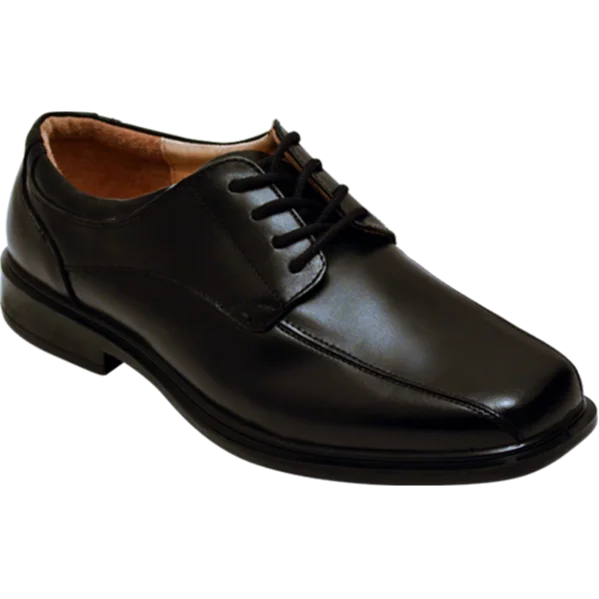
If you've ever wondered why two shoes made from the same leather can feel — and age — so differently, the answer almost always comes down to construction. The method used to attach the upper to the sole defines how a shoe wears, how long it lasts, and whether it can be rebuilt years from now.
I'm Michael Torres, Senior Footwear Specialist at CSL Shoes, and I've spent years studying how shoes are built from the inside out. Today I want to walk you through the two construction methods that matter most in quality footwear: the Goodyear welt and the Blake stitch. Understanding these methods will change the way you evaluate every pair of shoes you buy.
Why Construction Method Matters
Most men shop for shoes based on appearance — color, shape, and style. Those things matter, but they only tell you what a shoe looks like on day one. The construction method tells you what that shoe will look like on day 500.
A shoe's construction determines its durability, water resistance, comfort trajectory, and whether it can be resoled when the outsole eventually wears through. Two shoes sitting side by side on a shelf can look identical, yet one might last three years and the other fifteen — purely because of how the sole was attached to the upper.
When you invest in quality leather shoes, you're not just paying for better leather. You're paying for better construction. And that starts with understanding how these methods work.
The Anatomy of a Constructed Shoe
Before comparing the two methods, it helps to know the key components involved. Every welted or stitched shoe shares these elements:
- Upper: The leather or material that wraps around the top of your foot. This is what you see and touch.
- Insole: The interior platform your foot rests on. In welted shoes, this is typically a rigid piece of leather with a raised rib along its perimeter.
- Outsole: The bottom layer that contacts the ground. This can be leather or rubber, depending on the shoe's purpose.
- Welt: A narrow strip of leather or synthetic material that runs around the shoe's perimeter. This is the defining feature of Goodyear welt construction — the welt acts as a bridge between the upper and the outsole.
- Midsole: An optional layer between the insole and outsole that provides additional cushioning and structure. Commonly found in Goodyear welted shoes but not always in Blake-stitched ones.
- Gemming: A canvas or linen rib attached to the insole in some constructions, creating a lip for stitching when the insole doesn't have a natural holdfast rib.
With these parts in mind, let's examine how each construction method brings them together.
Goodyear Welt Construction
The Process
The Goodyear welt is named after Charles Goodyear Jr., who patented the welt-stitching machine in 1869. It's a multi-step process that creates one of the most durable shoe constructions ever developed.
Here's how it works:
- The upper leather is lasted — stretched and shaped over a foot-shaped form called a last.
- The insole is placed on the bottom, and its edges are folded upward to create a rib (or a gemming strip is glued to the insole's edge).
- The welt — a strip of leather — is stitched to the upper and the insole rib simultaneously using a heavy waxed thread. This is the inseam stitch, and it runs around the entire perimeter of the shoe.
- A cork or felt filler is packed into the cavity between the insole and the outsole. This filler compresses over time to create a custom footbed that molds to your foot.
- The outsole is then stitched to the welt using a separate lockstitch — the outsole stitch. This second row of stitching is visible on the bottom edge of the shoe.
The critical detail here is that the outsole is never stitched directly to the insole. The welt acts as an intermediary, which is what makes this construction so resolable and water-resistant.
Advantages of Goodyear Welt
- Superior resolability. Because the outsole is stitched to the welt and not to the insole, a cobbler can cut the outsole stitch, remove the old sole, and sew on a new one without disturbing the upper or insole. A well-made Goodyear welted shoe can be resoled five or more times over its lifetime.
- Water resistance. The welt creates a barrier between the upper-insole junction and the ground. Water has to travel through the outsole stitch, up through the welt, and past the cork filler before reaching the insole — a much longer path than in other constructions.
- Structural rigidity. The double-stitched construction and cork filling create a firm, supportive platform. This is ideal for shoes that need to maintain their shape under heavy use.
- Comfort improves over time. The cork filler compresses gradually to match the contours of your foot. After a few weeks of wear, a Goodyear welted shoe feels custom-made.
- Longevity. With proper care and maintenance, Goodyear welted shoes routinely last 10 to 20 years. The construction method itself is built for the long haul.
Disadvantages of Goodyear Welt
- Longer break-in period. The rigid insole and cork filler need time to conform to your foot. The first week or two can feel stiff, especially compared to lighter constructions.
- Heavier. The welt, cork filler, and thicker insole add weight. This is not the ideal construction for a shoe you want to feel featherlight.
- Thicker profile. The additional layers create a chunkier sole stack, which doesn't suit every shoe style. Sleek, low-profile designs can be difficult to achieve with a full Goodyear welt.
- Higher cost. The process requires specialized machinery and more labor. Goodyear welted shoes typically start at a higher price point than Blake-stitched alternatives.
Blake Stitch Construction
The Process
The Blake stitch — named after Lyman Reed Blake, who invented the machine in 1856 — takes a more direct approach. It was the first method to mechanize sole attachment and remains widely used in Italian shoemaking.
The process is simpler than the Goodyear welt:
- The upper is lasted over the last, just as in Goodyear welt construction.
- The insole is placed on the bottom, and the upper's edges are folded under it.
- A single row of stitching passes directly through the outsole, the insole, and the upper — from the inside of the shoe, through all layers, and back. This is the Blake stitch.
There is no welt, no cork filler, and typically no midsole. The outsole is attached directly to the insole in one operation.
Advantages of Blake Stitch
- Sleeker profile. Without the welt and cork filler, Blake-stitched shoes have a thinner, more elegant sole stack. This construction is the reason Italian dress shoes often look so refined and close to the ground.
- Lighter weight. Fewer layers mean less material, which translates to a noticeably lighter shoe on your foot.
- Greater flexibility. The single-layer construction bends more easily, giving the shoe a supple, natural feel from the first wear.
- Shorter break-in. Without rigid cork to compress, Blake-stitched shoes feel comfortable almost immediately. The thin insole conforms quickly to your foot.
- Lower production cost. The simpler construction process requires fewer steps and less material, which often means a lower retail price at comparable quality levels.
Disadvantages of Blake Stitch
- Limited water resistance. The stitch holes pass directly through the insole to the outsole. Water can wick through these channels, reaching the interior of the shoe faster than with a Goodyear welt. This makes Blake-stitched shoes less suitable for wet climates without additional weatherproofing.
- More difficult to resole. Resoling a Blake-stitched shoe requires a specialized Blake stitching machine, which not every cobbler has. The process also puts more stress on the insole since it's directly stitched, so repeated resoling can weaken the shoe's structure.
- Less structural support. The thinner construction provides less arch support and overall rigidity. For some wearers — especially those on their feet for long hours — this can be a drawback.
- Fewer resole cycles. While a Goodyear welted shoe can typically be resoled five or more times, most Blake-stitched shoes max out at two to three resoles before the insole integrity is compromised.
Head-to-Head Comparison
Durability
Goodyear welt wins on raw longevity. The double-stitched structure with its robust welt strip distributes stress more evenly and protects the insole from wear. Blake-stitched shoes are durable in their own right, but the single-stitch construction means the insole bears more load over time.
Resoling
Goodyear welt is the clear winner here. Any competent cobbler can resole a welted shoe because the outsole stitch is independent of the insole. Blake resoles require a Blake stitching machine — find a cobbler with one, and the shoe can still be resoled, but your options are more limited, and the insole degrades faster with each cycle.
Water Resistance
The Goodyear welt's layered construction creates a natural moisture barrier. The welt, cork filler, and indirect stitching path all slow water penetration. Blake stitch holes pass straight through from outsole to insole, creating direct channels for moisture. If you regularly walk in rain or snow, Goodyear welt is the safer choice.
Flexibility and Comfort
Blake stitch takes this category. The thinner construction bends naturally with your foot from day one. Goodyear welted shoes require a break-in period as the cork filler compresses and molds to your foot — but once broken in, many wearers find them equally comfortable, just in a more structured way.
Break-In Period
Blake-stitched shoes are comfortable almost immediately. Goodyear welted shoes typically need two to four weeks of regular wear before the cork fully conforms. If immediate out-of-the-box comfort matters to you, Blake stitch has the advantage.
Weight
Blake-stitched shoes are lighter — sometimes significantly so. The absence of a welt strip, cork filler, and often a midsole can shave noticeable weight from the shoe. If you prioritize a lightweight feel, Blake stitch construction delivers.
Formality and Aesthetics
Both methods can produce formal shoes, but each leans in a different direction. Blake stitch creates the sleek, close-to-the-ground silhouette prized in Italian formalwear — think slim Oxfords and refined loafers. Goodyear welt produces a slightly chunkier profile that reads as sturdy and classic — the look associated with English and American shoemaking traditions. Neither is more "formal" than the other; they simply represent different aesthetics.
Cost
Blake-stitched shoes generally cost less to produce, though the retail price depends on many factors beyond construction — leather quality, finishing, brand positioning. That said, the total cost of ownership may favor Goodyear welt if you plan to resole the shoe multiple times over its life. A Goodyear welted shoe resoled three times over fifteen years can be more economical per wear than a Blake-stitched shoe replaced twice in the same period.
Other Construction Methods Worth Knowing
While Goodyear welt and Blake stitch dominate the quality footwear conversation, several other methods are worth understanding.
Cemented (Glued) Construction
The outsole is attached with adhesive — no stitching at all. This is the most common method in mass-produced footwear because it's fast and inexpensive. Cemented shoes can look identical to stitched shoes at first glance, but they generally cannot be resoled. Once the glue fails or the sole wears through, the shoe is finished. If you're shopping in the mid-range price bracket, always check whether the sole is stitched or glued.
Blake Rapid Construction
A hybrid that combines elements of both methods. The upper and insole are Blake-stitched together, and then a midsole is added. The outsole is then stitched to the midsole using a rapid stitch (similar to the Goodyear outsole stitch). This gives you the slim profile of Blake with improved water resistance and resolability. It's popular with Italian makers who want to offer something between the two main methods.
Norwegian Welt
A variation of the Goodyear welt where the upper leather is turned outward instead of inward before being stitched to the welt. This creates a visible, rugged seam along the shoe's edge and provides exceptional water resistance. Norwegian welt construction is commonly found in heavy-duty boots and outdoor footwear. It's the burliest construction method you'll encounter.
How to Identify the Construction Type
You don't need to disassemble a shoe to determine its construction. Here are the telltale signs:
Goodyear Welt
- Look at the edge where the upper meets the sole. A visible strip of leather (the welt) running between them is the signature of Goodyear welt construction.
- Flip the shoe over. You'll see a row of stitching running along the perimeter of the outsole — the outsole stitch.
- Run your finger along the inside of the shoe. The insole will feel rigid and thick because of the holdfast rib underneath.
Blake Stitch
- No welt strip is visible between the upper and sole. The upper appears to connect directly to the outsole.
- Look inside the shoe. You may see stitching on the insole — the Blake stitch passes through from below.
- The shoe will generally feel thinner and more flexible when you bend it.
Cemented
- No visible stitching anywhere — not on the outsole perimeter, not on the insole interior.
- Look at the edge where the sole meets the upper. If it's a clean, flush joint with no stitch marks, it's likely glued.
- The shoe bends very easily and feels lightweight, but often lacks the structure of stitched shoes.
When shopping, don't hesitate to ask the seller about the construction method. Reputable brands — including those we carry at CSL Shoes — are transparent about how their shoes are built. You can also find construction details in product descriptions across our full collection.
Which Is Right for You?
The best construction method depends on how you plan to use the shoe. Here's a practical breakdown:
Choose Goodyear Welt If You:
- Want shoes that last 10 to 20 years with proper care
- Plan to resole rather than replace
- Live in a climate with rain, snow, or wet conditions
- Prefer a structured, supportive shoe that molds to your foot over time
- Value the classic English or American shoemaking aesthetic
- Are building a long-term dress shoe collection and want each pair to be a lasting investment
Choose Blake Stitch If You:
- Prioritize a slim, elegant silhouette
- Want lightweight shoes that feel comfortable from the first wear
- Appreciate the Italian shoemaking tradition
- Mostly wear your shoes in dry, indoor environments
- Prefer flexibility and a close-to-the-ground feel
- Want quality construction at a somewhat lower price point
Consider Both If You:
The smartest approach is to own shoes built with both methods. A Goodyear welted Oxford handles your rainy commutes and formal events with bulletproof reliability. A Blake-stitched loafer or derby gives you a sleek option for summer days, indoor events, and occasions where weight and flexibility matter.
Understanding leather quality and construction method together puts you in a position to evaluate any shoe on the market with confidence. You'll know exactly what you're paying for — and more importantly, what you're getting in return.
The Bottom Line
Neither the Goodyear welt nor the Blake stitch is universally superior. Each method represents a different set of priorities — durability and resilience on one side, elegance and comfort on the other. The Goodyear welt is a fortress: layered, robust, and built to be rebuilt. The Blake stitch is a scalpel: precise, lean, and purposeful.
What they share in common is more important than what separates them: both are hallmarks of quality craftsmanship. A shoe built with either method was made by people who understand that great footwear is engineered, not just assembled. And that, more than any single stitch, is what separates a good shoe from one that's merely good-looking.
For a deeper dive into shoe construction history and techniques, the Bata Shoe Museum maintains an excellent archive of traditional and modern shoemaking methods, and the Permanent Style shoe guide offers detailed explorations of what to look for in well-made footwear.